IMPACT
From research and innovation to real-world implementation, CULTURATI generated measurable impacts across cultural heritage, technology, society, and science, demonstrating how trustworthy AI can support more inclusive, engaging, and sustainable cultural experiences.
FROM RESEARCH TO IMPACT
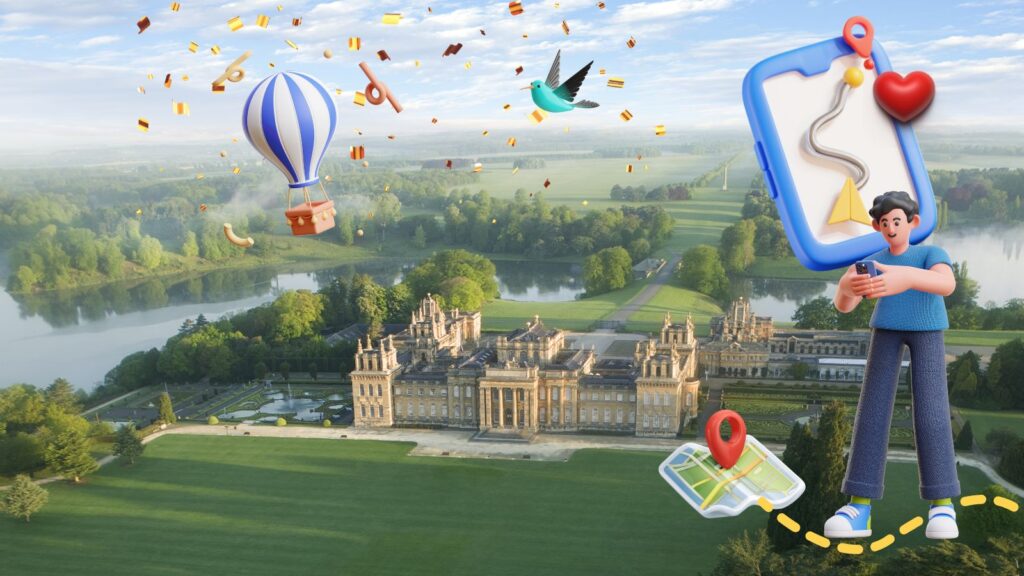
Transforming the Way People Experience Culture
As a Horizon Europe project coordinated by Bilkent University, CULTURATI transformed the way people experience culture through the development and validation of an AI-supported platform. By combining co-created content, customised games and routes, and visitor flow optimisation, the platform delivers personalised cultural experiences tailored to visitors’ interests and needs. The project’s achievements were recognised as a success story by the European Research Executive Agency (REA), the Horizon Results Booster, and the Scientific and Technological Research Council of Türkiye (TÜBİTAK).
ADDRESSING SPECIFIC NEEDS
Responding to key challenges facing Cultural and Creative Industries across Europe.
Resilience of Cultural Sectors: Strengthening the capacity of CCIs to adapt and recover in the post-COVID-19 landscape.
Personalized Experiences: Equipping CCIs with tools to deliver tailored cultural experiences to users.
Visitor Management: Implementing carrying capacity strategies to safeguard cultural resources and optimize visitor numbers.
Accessible Knowledge Dissemination: Providing cost-effective digital solutions for sharing cultural heritage, artistic content, and values.
Encouraging Repeat Engagement: Developing strategies that foster return visits through distinctive and engaging experiences.
Trustworthy AI for Culture: Promoting the responsible use of AI through human oversight, cultural accuracy, transparency, and trust.
CULTURATI WITH NUMBERS
100+ dedicated content creators contributing to CULTURATI across Europe.
16,000+ pieces of content developed for customized games and routes, enriching cultural heritage experiences across our pilot sites.
7,000+ user feedback surveys collected, providing valuable insights to shape and improve CULTURATI’s cultural heritage experiences.
INNOVATION IN ACTION
Turning innovative ideas into real-world cultural experiences!
By combining AI, co-creation, and cultural heritage, CULTURATI transformed research into practical solutions that delivered lasting benefits for visitors, cultural organisations, researchers, and society. Through three prototypes, the project advanced from TRL 3 (experimental proof of concept) to TRL 7 (validated in operational environments), demonstrating the potential of trustworthy AI to enhance cultural participation, accessibility, and visitor engagement across five pilot sites.
CULTURATE YOUR WAY
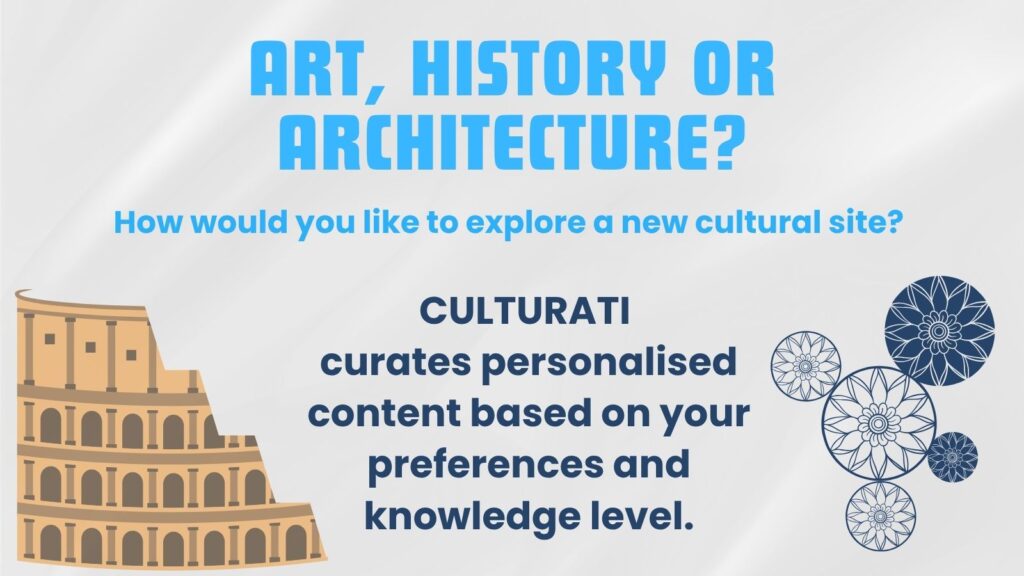
Delivering the right content to the right person at the right time and place
Every visitor is different, and so is every CULTURATI experience. By combining co-created content with customised games and routes, the platform enabled cultural organisations to deliver experiences tailored to visitors’ interests and knowledge levels. Rather than following a single predefined path, visitors could explore cultural sites through themes and stories that matched their preferences and level of knowledge. By adapting cultural experiences to individual interests and knowledge levels, CULTURATI created more engaging and meaningful visits while helping cultural sites optimise visitor flows and enhance visitor management.
MAKING EVERY VISIT COUNT
Helping visitors discover what matters most to them
Visitors often arrive at cultural sites unsure of where to start, what might interest them most, or how to make the best use of their time. CULTURATI addressed this challenge through personalised recommendations, customised games, tailored routes, and AI algorithms combined with IoT technologies and sensors to optimise visitor flows. As a result, visitors enjoyed more relevant and meaningful experiences, while cultural organisations benefited from improved visitor distribution, reduced congestion, and increased opportunities for repeat visits.
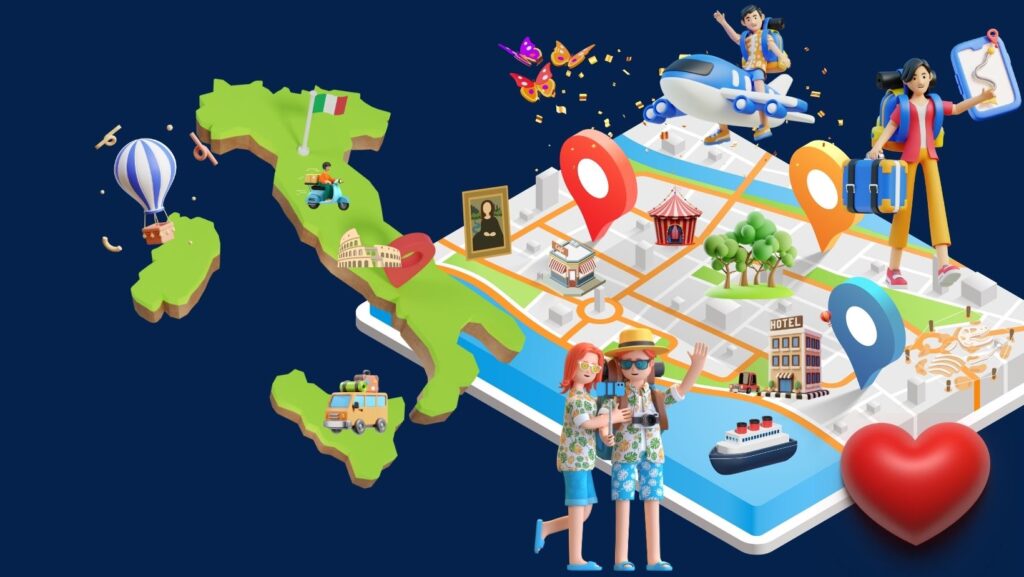
SMART VISITOR FLOW OPTIMISATION
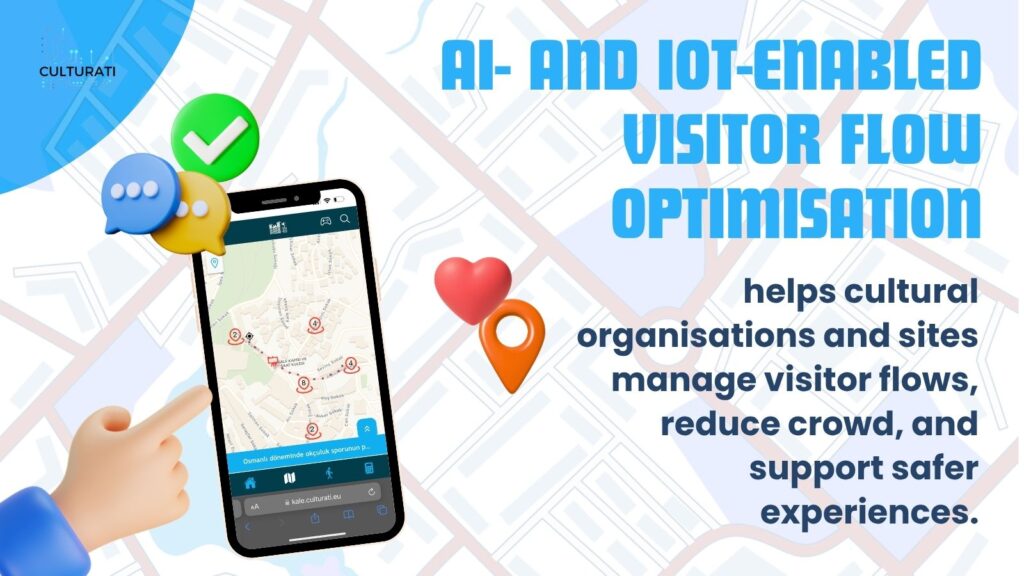
Balancing personalisation with sustainable visitor management
CULTURATI combined AI algorithms, IoT technologies, and sensors to dynamically optimise visitor flows. By continuously balancing visitor preferences with real-time occupancy levels and carrying capacity thresholds, the platform helps cultural organisations and sites reduce crowds, distribute visitors more evenly across sites, and support the long-term sustainability and preservation of cultural heritage resources. The approach can also contribute to safer visitor management during periods requiring capacity control, including pandemics.
TRUSTWORTHY AI FOR CULTURE
Combining the efficiency of AI with the expertise of cultural professionals
CULTURATI demonstrated that AI can support cultural content creation without compromising quality, accuracy, or authenticity. Through its human-in-the-loop approach, AI-assisted content generation was combined with expert review and validation, ensuring that cultural content remained accurate, reliable, and contextually appropriate. This approach increased content creation capacity while maintaining the trust, credibility, and cultural integrity essential to heritage and cultural organisations.
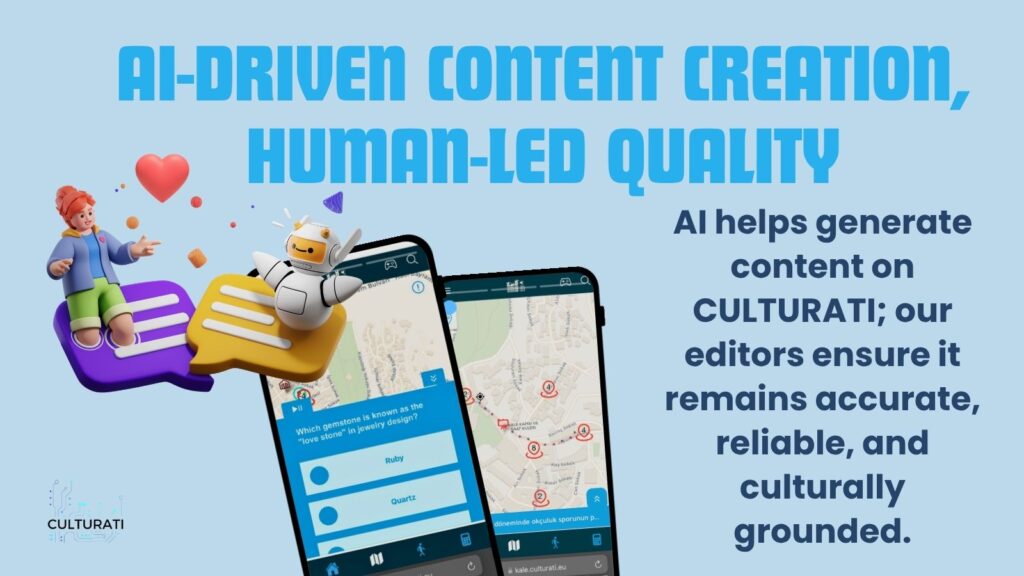
NEW ROLES FOR CULTURE
Creating opportunities where AI and human expertise work together
Rather than replacing cultural professionals, CULTURATI demonstrated how AI can create new opportunities and roles within the cultural sector. The project introduced a human-in-the-loop approach, where editors review, validate, and enrich AI-generated content to ensure cultural accuracy, quality, and relevance. This collaboration between AI and human expertise highlights how digital transformation can support employment, new skills, and innovative professional roles in culture and heritage.
UNLOCKING HIDDEN CULTURAL TREASURES
Transforming local knowledge and untold stories into meaningful visitor experiences
Through its participatory platform and co-creation process, CULTURATI helped uncover hidden stories, local knowledge, and lesser-known cultural assets that might otherwise have remained invisible to visitors. Cultural professionals, heritage experts, artists, shop owners, local stakeholders, and citizens contributed their perspectives, memories, and lived experiences, enriching the cultural content available to visitors. As a result, visitors gained access to more diverse, authentic, and inclusive narratives that extended beyond traditional interpretations of cultural sites.
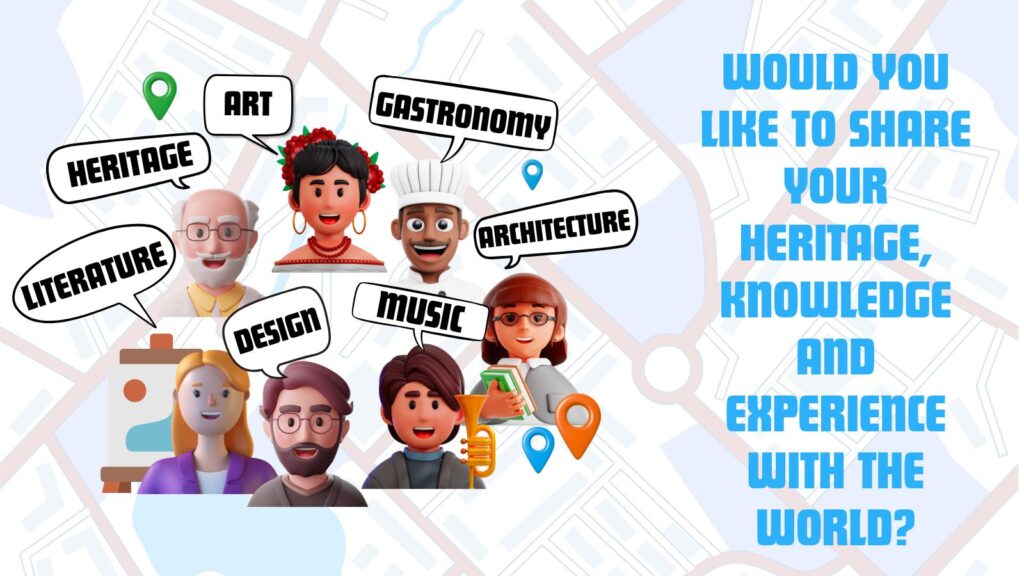
TRANSFORMING HERITAGE INTERPRETATION
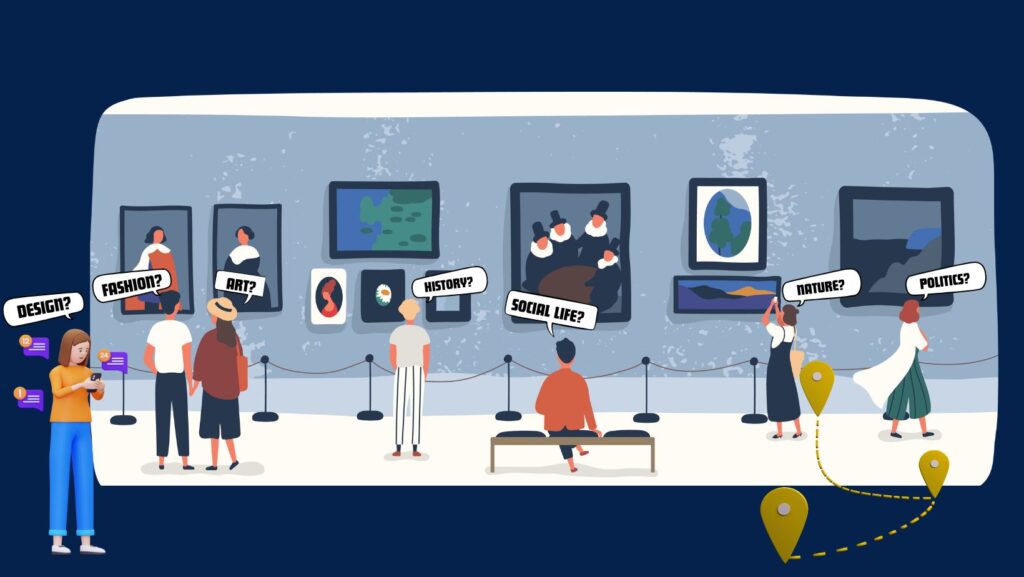
Moving beyond one-size-fits-all approaches to cultural storytelling
CULTURATI encouraged cultural organisations to rethink how heritage is interpreted and presented to visitors. By developing content across different themes and knowledge levels, organisations moved beyond traditional one-size-fits-all approaches and adopted more personalised, inclusive, and audience-centred methods of storytelling and engagement. As a result, the project influenced not only the content created but also the way cultural organisations engage with their audiences.
LOOKING AHEAD
Building the future of personalised, inclusive, and trustworthy cultural experiences. CULTURATI demonstrated that AI can support cultural experiences in ways that are human-centred, trustworthy, and meaningful. The project’s results provide a practical foundation for the wider adoption of AI-supported solutions across museums, heritage sites, tourism destinations, and other cultural environments. Having successfully advanced from TRL 3 (experimental proof of concept) to TRL 7 (validated in operational cultural environments), CULTURATI has laid the foundations for the next generation of AI-supported cultural experiences across Europe and beyond. Building on its successful validation across five pilot sites, the CULTURATI approach has the potential to be adapted and scaled to new contexts, helping cultural organisations enhance accessibility, engagement, sustainability, and visitor management. As digital technologies continue to evolve, CULTURATI envisions a future where culture is more personalised, inclusive, and accessible to everyone.